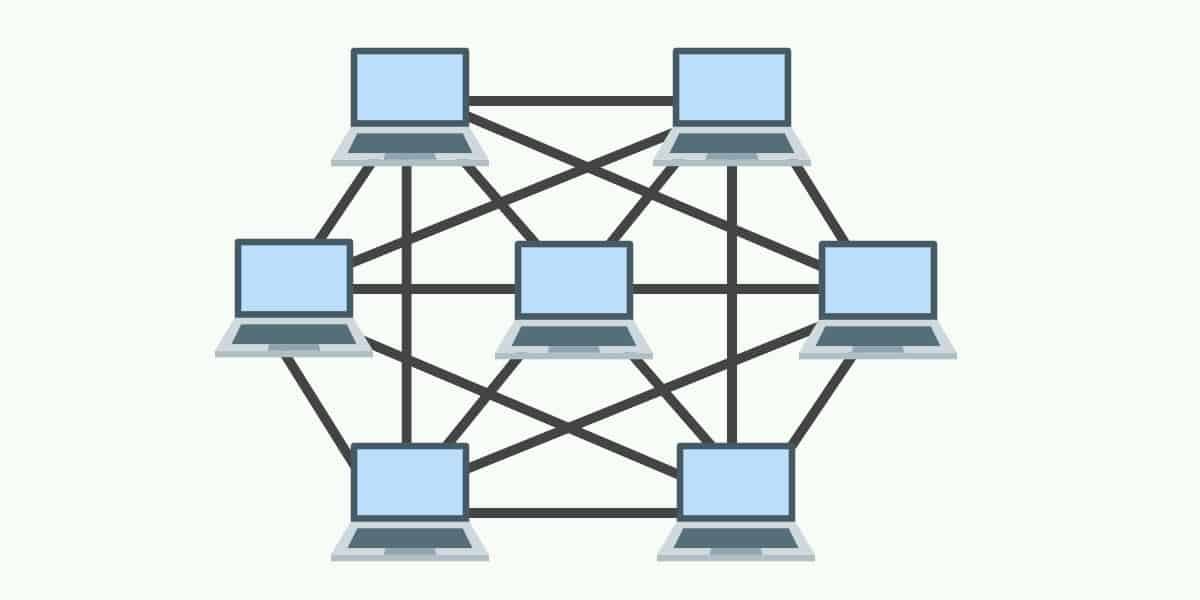

PostgreSQL, with its robust and dynamic features, allows for various methods of data replication, including streaming replication and logical replication. This comprehensive article seeks to explore the benefits and practical uses of both streaming replication and logical replication, highlighting the advantages they offer for data resilience in PostgreSQL environments.
Streaming replication in PostgreSQL, often associated with its real-time replication capabilities, involves updating a secondary database from a primary database. It is a critical component for supporting high availability and seamless failover in PostgreSQL environments.
Logical replication in PostgreSQL allows for table-level or event-level replication of a database. It offers benefits in terms of flexibility, particularly in dealing with large amounts of data.
PostgreSQL streaming replication and logical replication have been integral parts of many critical applications and data protocols. For instance, streaming replication is often used in online gaming and e-commerce platforms to ensure that users always have access to the most recent data.
Logical replication, on the other hand, finds wide applications in social media platforms, where real-time updates can maintain the social experience.
In the context of disaster recovery, streaming replication allows for instant failover, while logical replication can be used for Test/Development environments where localized replication scenarios may be prevalent.
Lastly, by utilizing these methods, the SEO-optimization might improve substantially, as streaming replication ensures that all content is synced in real-time and logical replication offers more flexibility and can simplify maintenance tasks. These capabilities, in turn, can enhance user experience and maintain the continuity of critical business operations.
In conclusion, Netflix, Amazon, and Microsoft may utilize streaming replication and logical replication for data resilience in PostgreSQL. However, the unique needs and requirements of each organization may dictate the scope and use of these methods.
Through a deep understanding of these technologies and their impact on data resilience, it is possible to choose the right approach to ensure high availability and maintain business continuity in any PostgreSQL environment.