
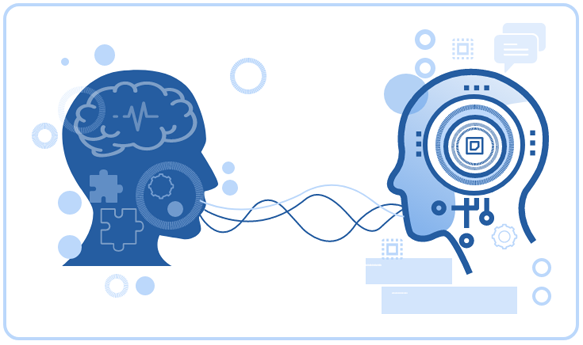
In recent years, the domain of machine learning has undergone significant advancements. Achievements in artificial intelligence have been growing, fueled by the evolution of training methods, particularly for neural networks.
Two articles, released from Germany and the Technical University of Munich, respectively, harbor noteworthy insights into this field of study. The first article discusses the changing paradigm of computing, spearheaded by German experts.
These experts introduce a new concept known as “Changing the Way Computers Think. ” This breakthrough aligns with the growing concern over energy consumption, anticipated to rise to 12% in the US by 2028. This article advocates for a shift from iterative thinking to probability-based, hence reducing power consumption significantly.
The second article from Munich illuminates a precise method of language learning. Modeling language acquisition, the study demonstrates that the use of neural networks is comparable to the conventionally used symbolic representations.
The model’s accuracy and speed reflect a potential merging of Bayesian and neural Nevertheless, the essence of these studies challenges traditions and unveils new pathways in training neural networks, particularly with reducing energy consumption and maintaining the power and accuracy of these networks. Seen through the lens of machine learning and its intersection with computer science, both these developments mark a pivotal point in neural network training practices.