
In the current Information Age, global locality has become the new norm, as interconnectivity shatters time and space barriers. The influx of such vast sums of data often overwhelms traditional processing techniques and demands a more advanced approach to analysis. Enter ‘Big Data’, a term coined by Gartner in 2001, to describe the process of employing advanced analytic technologies to derive contextually meaningful insights from complex and voluminous collections of data. Big Data, with its promising potential to revolutionize decision-making and streamline operations intersected with Statistics at the heart of our recent technological resurgence. Statistics is a vital science managing the collection, organization, analysis, interpretation, and reporting of numerical data.
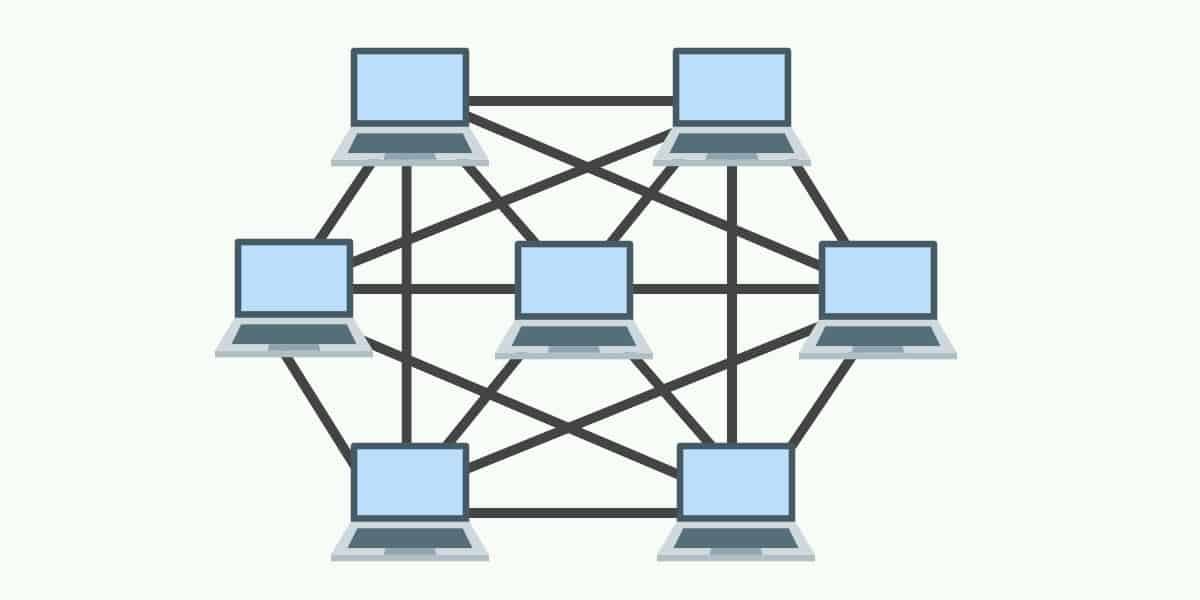
Amongst its numerous applications, Statistics finds pivotal role in Stringent Regulations and Legal Procedures, Economics, Research and Development, Quality Control, and Predictive Analytics. However, coping with Big Data throws up intriguing challenges. Ensuring viable quality management becomes paramount to the success of any operation dealing with Big Data. Lack of availability of fast processing systems possibly disrupts real-time decision-making, and prohibitively expensive hardware and software can pose significant financial hurdles to new entrants. Hence, collaborative strategies become crucial, where industries club together to build interlinked, parallel hardware, data stores, and standardized software.
Such far-reaching facility sharing can enable the next advance, the post ‘Big Data’ era where ‘Machine Learning’ reigns supreme. Fueled by Big Data, machine learning leverages algorithms and pattern recognition technologies, effectively mimicking human intelligence to analyze and make decisions from the data. This has shown remarkable potential in diverse fields, from chatbots and virtual assistants to fraud detection and marketing. Yet, one question looms large over these technological advances – Ethics.
Amidst growing psychological data mining and automated decision systems, concerns are raised regarding misuse and privacy violations. As all these space exploration, technology genres come to rest on Statistics, the discipline must address these ethical considerations, fostering open dialogues with legal and policy experts, to ensure Information technology benefits society at large. In conclusion, the dynamics of Big Data and Statistics underline the necessity for universities, research bodies, and governments to inculcate data literacy as part of the education system. Thus, we can look forward to a future where statisticians wield Arrow functions guiding decision-makers towards a ‘Statistical’ prosperity.